Project Anima: open-source cross-border human ID initiative
THE PROBLEM
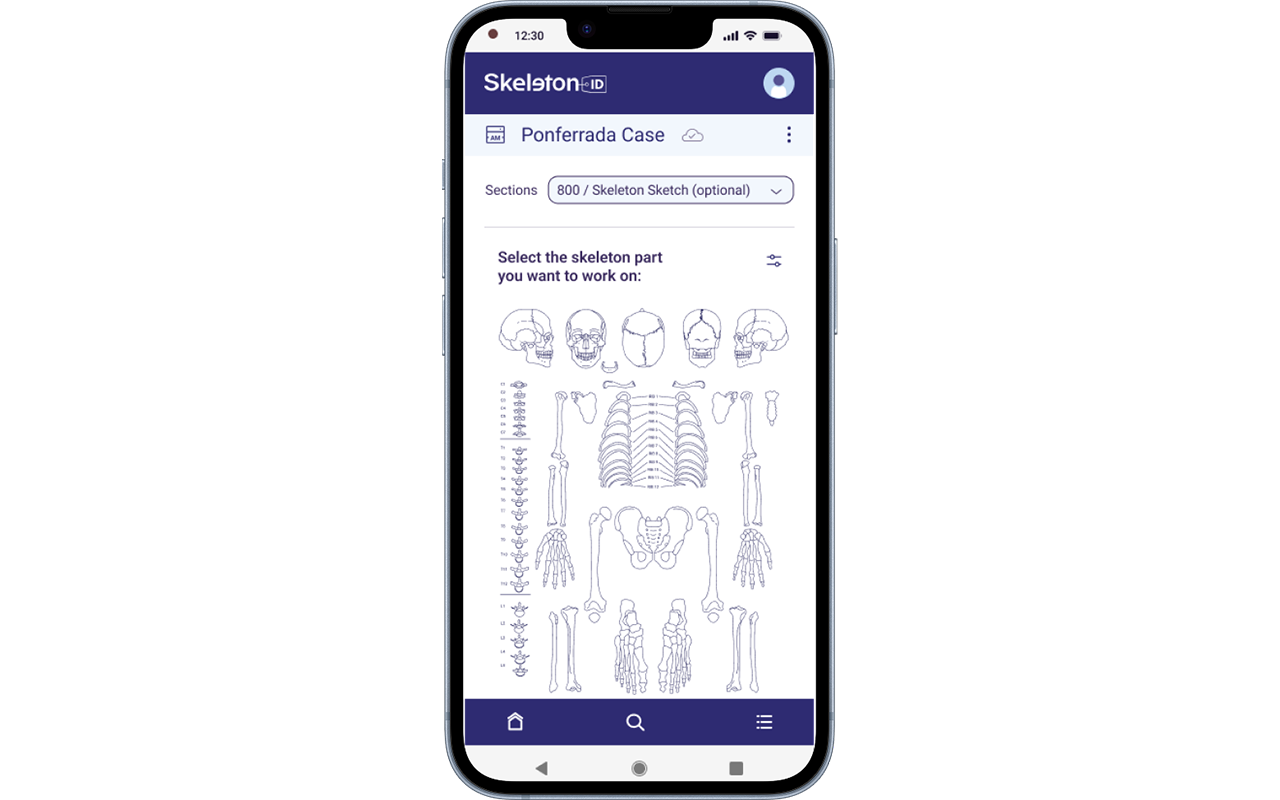
One of the main challenges in the field of missing and unidentified persons is the lack of specialized tools to digitize and centralize the full range of ante-mortem (AM) and post-mortem (PM) data collection. This includes information from forensic examinations, interviews with relatives, autopsies, and the analysis of human remains. In many cases, this information is still collected using paper-based forms, where police, forensic institutes, prosecutors, NGOs, and other actors manually record AM and PM data. These forms are often later transcribed into national or state databases, which introduces additional time delays and increases the risk of errors due to misinterpretation of handwriting and manual data entry.
These limitations become especially critical in mass fatality events, where multiple institutions, often across different countries, must collaborate under time pressure. The lack of standardized, interoperable systems makes it difficult to share, compare, and centrally process AM and PM data. Even though different institutions collect similar types of information, their forms and data structures vary significantly, preventing seamless integration and significantly hindering identification, comparison, and reconciliation processes.
THE PROJECT
The first two steps of this project are:
1. Formation of an international expert group
The central pillar of this project is the formation of an international expert group. This group will bring together forensic pathologists, odontologists, anthropologists, and other forensic experts from around the world to collaboratively design and define a universal odontology for AM-PM forms.
The odontology and all resulting software tools will be developed through collective expert input and published jointly as open-source outputs. The goal is not only to build a standard, but to ensure that it is grounded in real forensic practice and can be adopted internationally.
2. Collect the largest possible number of AM-PM forms
To enable interoperability between AM-PM forms and databases from different countries, states, and/or institutions, an ontology will be developed that allows navigation across a wide range of forms used by national and international organizations.
We will collect AM-PM forms so we can identify common fields, reconcile differences in terminology and structure, and define a shared semantic framework that enables true interoperability. Once the ontology is available, anyone will be able to convert any AM-PM form into their equivalent in any other institution, as long as both institutions’ forms are included in the ontology. This ontology will be implemented using open standards in order to facilitate its international adoption and popularize its use.
PROJECT OBJECTIVES AND TIMELINE
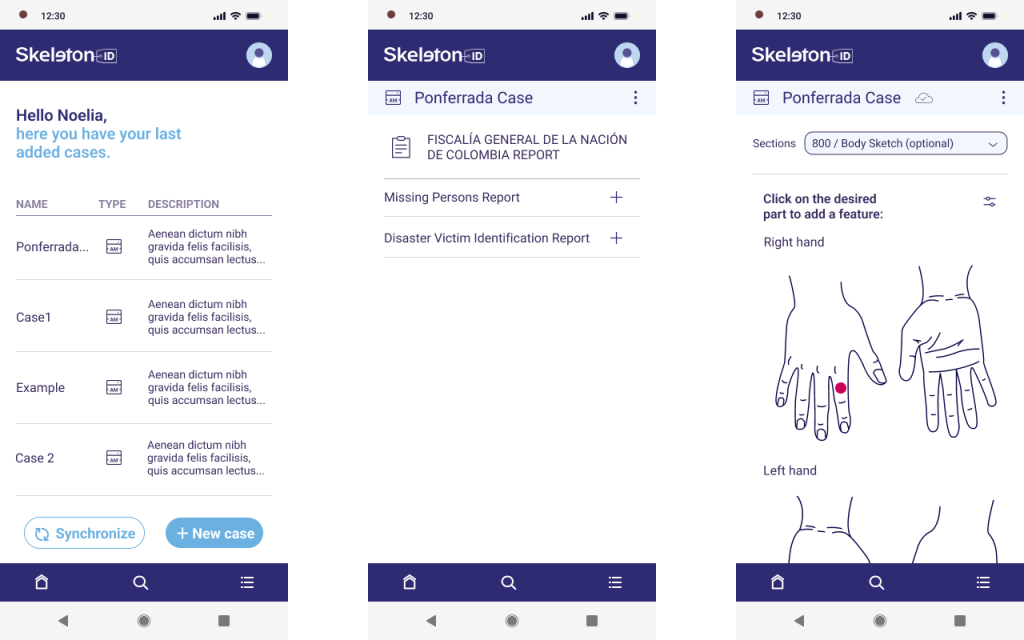
The objective of the project is to develop and publish, as an open-source initiative, a set of tools that enable any institution to collect, visualize, and export AM-PM data to different national and international forms.
The main project milestones and their estimated completion dates are as follows:
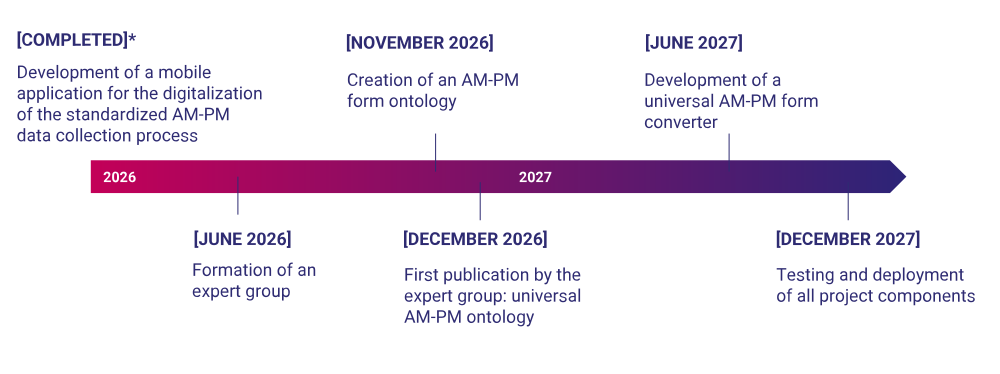
* Application already developed by Panacea. Source code will be released as open-source.
PROJECT NAME
The name of the project, as well as its open and universal nature, is intended as a tribute to our colleague Ro(sario) Guerra Martí, who sadly passed away before this initiative could become a reality. She was one of the earliest and strongest advocates for this project, recognizing its potential as a tool to advance the protection and enforcement of human rights anywhere in the world. Anima means soul, life, or breath in Latin.
HOW TO JOIN US
We are inviting experts and institutions from all regions to participate in this collaborative process to design a universal ontology of AM-PM forms and to help establish it as an international standard.
You can join the expert group and/or simply contribute to the project by providing a digital copy of your AM-PM forms so we can incorporate them into the project.