Analysis and Integration of Innovative Methods for Legal Age Estimation
Published on June 4, 2026

context
Unaccompanied migrant minors constitute a particularly vulnerable group whose protection rights may be compromised when their age cannot be documented. In such cases, public authorities may resort to medical procedures to support decision-making in legal age assessment processes.
Currently, the methods employed present limitations related to accuracy, subjectivity, degree of invasiveness, and applicability across diverse populations. At the same time, increasing migration flows and growing pressure on reception systems highlight the need for more efficient, objective, and respectful approaches.
Recent advances in biomedicine and artificial intelligence open new opportunities to improve these procedures through tools capable of providing greater transparency, standardization, and technical support for experts.
the project
This project investigates innovative methodologies for legal age estimation in individuals aged between 14 and 23 years, with particular focus on the threshold of legal adulthood.
The study combines approaches based on radiological imaging, epigenetic markers, and facial biometrics, with the aim of evaluating their capabilities, limitations, and potential for integrating multiple sources of evidence.
The research is developed from a multidisciplinary perspective that prioritizes scientific robustness, bias minimization, and the protection of minors’ rights.chos de los menores.
OBJETIVES
Main Objective:
To generate useful knowledge for improving legal age estimation protocols through the evaluation of innovative methods and their potential integration.
Specific objectives:
- Evaluate the technical performance and limitations of different age estimation methods
- Analyze potential discriminatory biases and mitigation strategies
- Explore multimodal models integrating different sources of evidence
- Improve the interpretability and transparency of AI-based tools.
- Facilitate knowledge transfer between researchers, forensic experts, and public institutions.
COLLABORATE
We are looking for clinics, researchers, and institutions interested in participating in this project.
Collaborations are currently being established with:
- Universities
- Dental clinics
- Institutes of legal medicine
- Organizations involved in migrant support and care
*Submitting this form does not imply any commitment to collaborate. Our team will contact you to explore possible ways to participate that are tailored to each organization.
methodology
The project studies different sources of biological and biometric information potentially useful for age estimation:
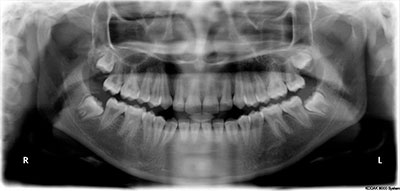
Radiological imaging
Analysis of skeletal and dental development using orthopantomograms (OPT).
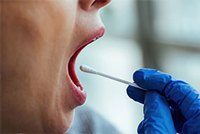
Epigenetic markers
Age estimation through DNA methylation analysis obtained from buccal swab samples.

Facial photography
Evaluation of facial morphometric characteristics using computer vision and AI techniques.
Multimodal integration
Exploration of models capable of combining different sources of evidence to improve accuracy, robustness, and interpretability.
Ethical Considerations and Data Protection
The project is conducted under strict ethical and data protection standards, with full respect for the rights of the participants. Data collection requires informed consent, and all information is processed using pseudonymization procedures that guarantee confidentiality and the right to withdraw participation at any time. Furthermore, study procedures will be evaluated by the corresponding research ethics committees.
EXPECTED IMPACT
The project aims to contribute to the development of age estimation procedures that are more accurate, transparent, and respectful of minors’ rights.
The main expected impacts include:
- Reducing subjectivity in age estimation processes
- Improving safeguards for vulnerable minors
- Optimizing institutional resources
- Strengthening confidence in evidence-based procedures